
More than 200 specialists from 20 countries participated in the eighth edition of the Adaptive Optics for Extremely Large Telescopes (AO4ELT8) conference, the largest international meeting dedicated to the development of adaptive optics systems for the next generation of giant telescopes.
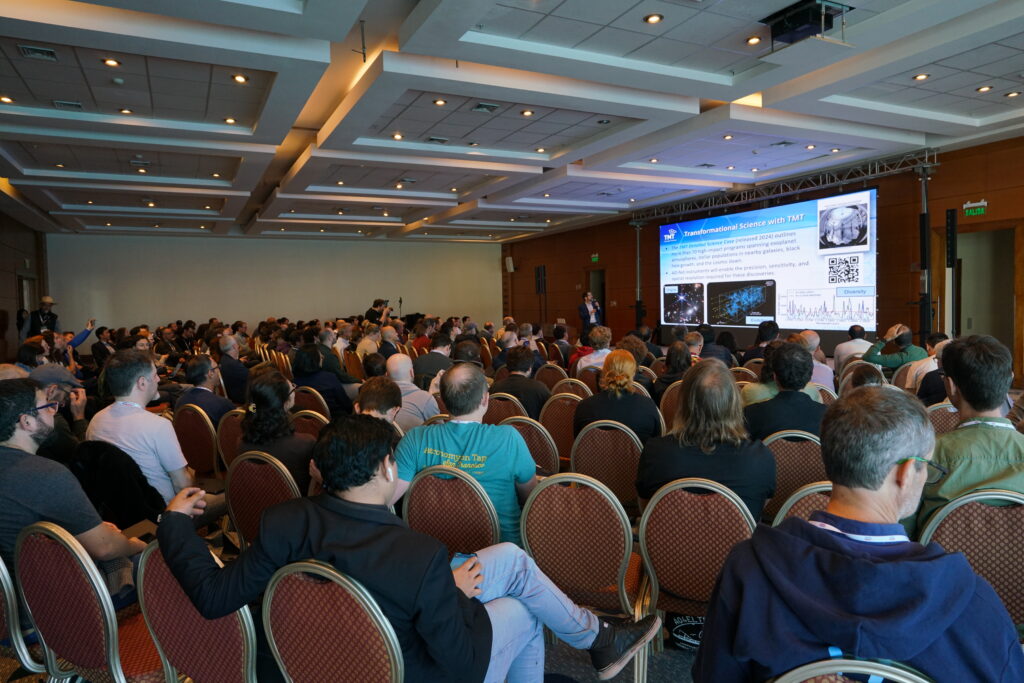
Held for the first time in Chile, the event successfully brought together researchers and scientists from across the field to foster the advancement of cutting-edge technologies applied to some of the most ambitious astronomical projects on the planet. This discussion is especially relevant for Chile, as two of the world’s three optical larger telescopes, over 25 meters in diameter, will be located in the country, one of which is already under construction at Cerro Armazones.
The biennial conference was co-organized by the Optoelectronics Laboratory (Optolab) of the School of Electrical Engineering (EIE) at the Pontificia Universidad Católica de Valparaíso (PUCV), together with international partners. It brought to Chile experts from Italy, France, the United Kingdom, Canada, the United States, Japan, Australia, and other regions to explore the latest advances in adaptive optics and discuss the challenges that accompany the development of the new generation of Extremely Large Telescopes (ELTs).
Adaptive optics is the key technology that allows optical telescopes to compensate for atmospheric distortions, making it possible for these enormous eyes pointed toward the night sky to see farther and better.
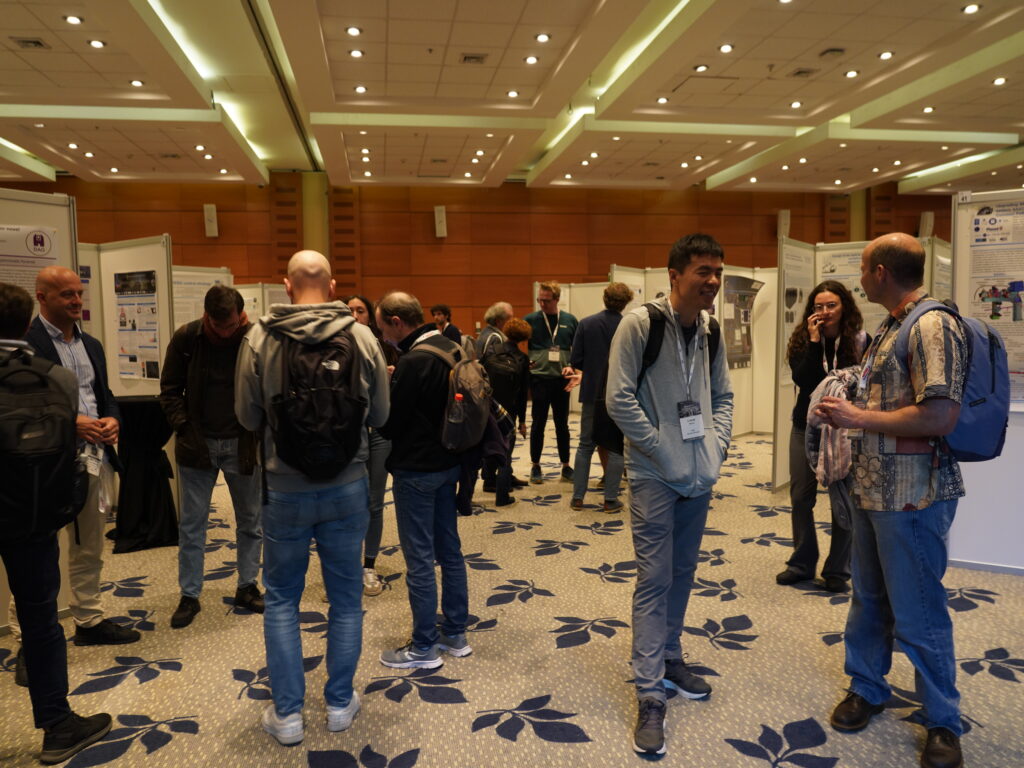
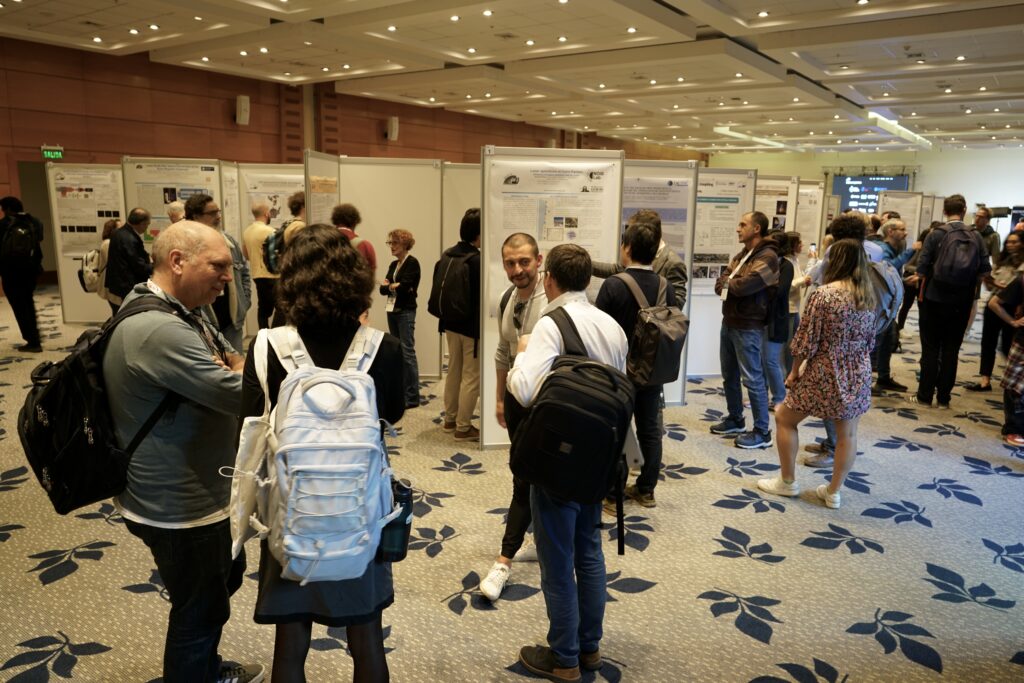
From October 27 to 31, experts gathered in the city of Viña del Mar and presented over 240 technical talks and scientific posters, with the goal of strengthening collaboration among researchers whose discoveries and innovations are essential for increasingly deep and precise astronomical observations of the universe.
AO4ELT8 also brought together companies, research centers, and manufacturers driving innovation in optical technologies, including Bertin Alpao, Toptica, Nuvu Cameras, Oxford Instruments, TNO, Adoptica, Boston Micromachines, and the Italian research centers INAF and ADONI, along with the Royal Commission for AlUla (RCU) from Saudi Arabia.

The successful hosting of AO4ELT8 in Chile not only positions the country and its higher education institutions — including PUCV — as capable organizers of world-class scientific events, but also strengthens their role in developing the technologies behind the most advanced telescopes on the planet.
All major large-telescope projects were represented, including the Giant Magellan Telescope Organization (GMTO), the Thirty Meter Telescope (TMT), and the European Extremely Large Telescope (E-ELT) of ESO. Chilean participants included CCTVal, ETT, and Optolab, which showcased a live demonstration of a low-cost adaptive optics system based on artificial intelligence, developed through a series of projects funded by Chile’s National Agency for Research and Development (ANID).
From Viña del Mar, Professor Esteban Vera, academic and researcher at PUCV and AO4ELT8 Chair, highlighted that the event helped to strengthen an international community dedicated to improving the quality of astronomical observations. He added that the conference also revealed how adaptive optics technologies will play a key role in satellite development and space exploration in the coming decades.

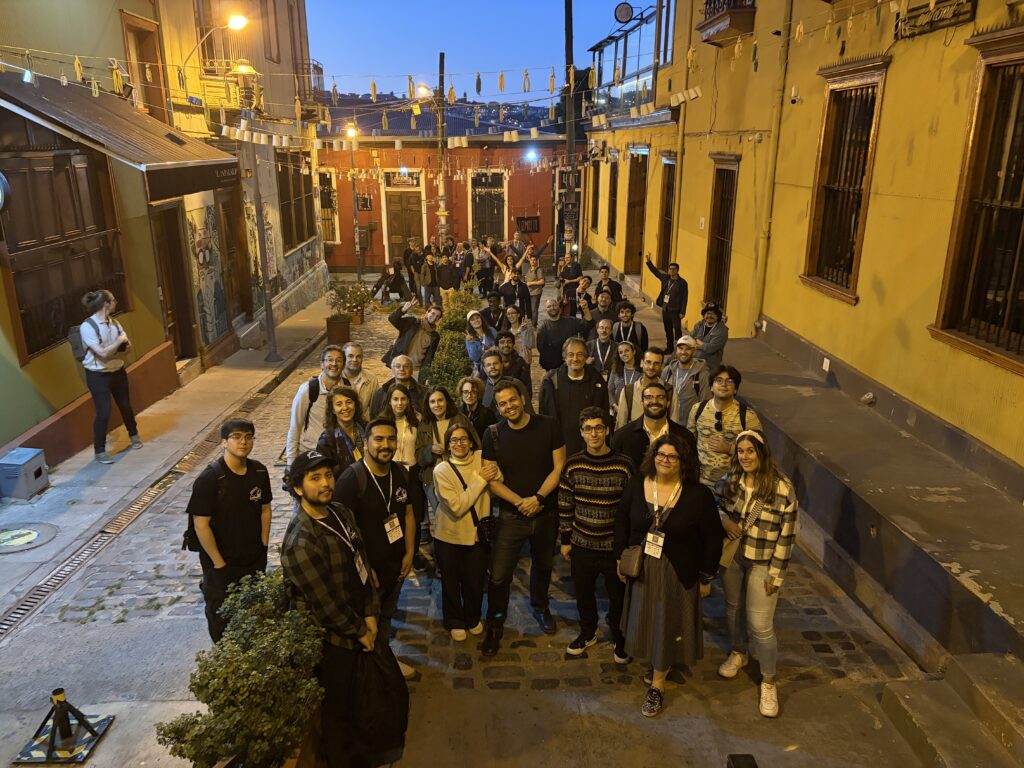
With the next generation of giant telescopes being built in Chile, the discussions and developments emerging from AO4ELT8 will become an essential part of the scientific infrastructure that enables us to explore exoplanets, the origins of the cosmos, and phenomena yet to be discovered. AO4ELT8 thus leaves a lasting legacy, projecting Chile not only as the home of major observatories, but also as a protagonist in the creation of the key technologies that will help answer the next great questions of astronomy and space exploration.